

Biodiversity Hub NYC is dedicated to understanding the biodiversity and ecological processes of New York City. We combine natural history, field research, quantitative ecology, and community engagement to document the organisms that inhabit the city, investigate how ecological communities are structured across urban habitats, and apply this knowledge to biodiversity conservation and restoration.
Our work encompasses both ecology in the city, the study of organisms, habitats, and ecological relationships within New York City and urban ecology, which examines how landscape structure, environmental change, human activity, management, and the built environment influence ecological systems.
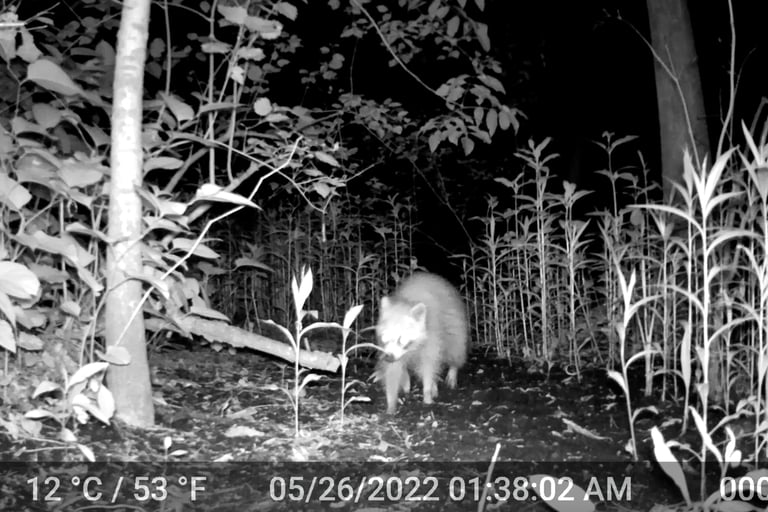
What we do
1. Advance Biodiversity and Urban Ecology Research
We conduct and support high-quality research in urban ecology, evolutionary biology, and natural history. Through partnerships with universities, research institutions, and independent scientists, we generate original data and analyses that expand scientific knowledge of urban systems. Our work emphasizes empirical field research, quantitative approaches, and long-term monitoring to better understand how biodiversity persists, adapts, and evolves in cities.
We are developing a centralized, open database of peer-reviewed ecological and biodiversity research conducted in New York City.
2. Educate and Share Knowledge
We translate research into accessible educational materials for students, educators, and the public. This includes producing written resources, visual media, and hosting a New York City–based lecture series featuring scientists, practitioners, and community experts. Our goal is to make urban ecology approachable while maintaining scientific integrity, fostering curiosity and ecological literacy across diverse audiences.
3. Engage the Public Through Field-Based Experiences
We organize public events such as biodiversity walks, field demonstrations, and guided explorations in natural areas throughout New York City. These events connect people directly with local ecosystems, highlighting the ecological value of urban parks, waterways, and green spaces. By encouraging firsthand observation and participation, we aim to build lasting connections between communities and the biodiversity around them.

